Mushroom found on birch tree holds promise as a potent anti-cancer tonic
(NaturalNews) A little known mushroom is establishing a solid reputation in medical circles as a powerful defense against cancer. Although relatively unheard of in mainstream media, the chaga mushroom has been used in folk medicine for generations. Research has shown chaga to be extremely effective in protecting cellular DNA from damaging free radicals. It also has anti-tumor and immune stimulating benefits.
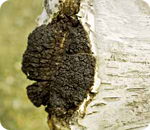
Chaga mushroom (Inonotus obliquus) is a fungus that grows on birch and other hardwood trees. The variety that is found on birch is believed to be the most potent because of its high concentration of betulinic acid which is toxic to cancer cells. Chaga is unusual in the mushroom world as it resembles porous wood and is black and hard - similar to lumpy charcoal. Natives of China, Siberia, Finland, Japan, Poland, and North America have all recognized chaga's importance for centuries. Russian author and Nobel laureate Alexandr Solzhenitsyn is given credit for introducing chaga to the West where the principal character in his novel Cancer Ward is cured of his illness by the mushroom.

Chaga mushroom is nutrient rich. Sterols, flavonoids, polysaccharides, polyphenols, vitamins and minerals are just a few of the constituents found in chaga. Immune function is enhanced by the beta glucans present in the mushroom which activate T-cell activity and the production of antibodies.
Sources for this article include:
"Chaga Mushroom" Memorial Sloan-Kettering Cancer Center. Retrieved on July 26, 2012 from: http://www.mskcc.org/cancer-care/herb/chaga-mushroom
"Chaga mushroom health benefit, review of effect on immune system and cancer" Ray Sahelian MD. Retrieved on July 26, 2012 from: http://www.raysahelian.com/chaga.html
"Benefits and Properties of Chaga Mushroom" Malja Haavisto, August 17, 2009, Natural Medicine at Suite 101. Retrieved on July 26, 2012 from: http://suite101.com
About the author:
Carolanne enthusiastically believes if we want to see change in the world, we need to be the change. As a nutritionist, natural foods chef and wellness coach, Carolanne has encouraged others to embrace a healthy lifestyle of organic living, gratefulness and joyful orientation for over 13 years. Through her website www.Thrive-Living.net she looks forward to connecting with other like-minded people from around the world who share a similar vision.
Read her other articles on Natural News here:
http://www.naturalnews.com/Author1183.html
Learn more: http://www.naturalnews.com/036974_chaga_mushroom_anti-cancer_tonic.html#ixzz24rN0Esn5
(NaturalNews) A little known mushroom is establishing a solid reputation in medical circles as a powerful defense against cancer. Although relatively unheard of in mainstream media, the chaga mushroom has been used in folk medicine for generations. Research has shown chaga to be extremely effective in protecting cellular DNA from damaging free radicals. It also has anti-tumor and immune stimulating benefits.
Chaga mushroom (Inonotus obliquus) is a fungus that grows on birch and other hardwood trees. The variety that is found on birch is believed to be the most potent because of its high concentration of betulinic acid which is toxic to cancer cells. Chaga is unusual in the mushroom world as it resembles porous wood and is black and hard - similar to lumpy charcoal. Natives of China, Siberia, Finland, Japan, Poland, and North America have all recognized chaga's importance for centuries. Russian author and Nobel laureate Alexandr Solzhenitsyn is given credit for introducing chaga to the West where the principal character in his novel Cancer Ward is cured of his illness by the mushroom.
Healing properties
Several studies support chaga's medicinal value. Researchers at Kyunghee University in Seoul, South Korea examined chaga's effectiveness in protecting cellular DNA. Cells were treated with chaga mushroom extract then exposed to oxidative stress. The extract-treated cells had 40 percent less DNA mutation compared with the untreated cells. In another study, Japanese researchers discovered that chaga had higher levels of cell protective antioxidants than other medicinal mushrooms included in the investigation. Chaga has been shown to be effective against cancers of the liver, uterus, breast, colon, skin, cervix and lung. It also attacks tumor cells without disturbing healthy tissue. Additionally, this mushroom has been found to be antiviral and anti-inflammatory.Chaga mushroom is nutrient rich. Sterols, flavonoids, polysaccharides, polyphenols, vitamins and minerals are just a few of the constituents found in chaga. Immune function is enhanced by the beta glucans present in the mushroom which activate T-cell activity and the production of antibodies.
Methods of consumption
Chaga can be taken as a tea, applied to the skin, consumed as a powder or inhaled as smoke. For a traditional tea, dissolve one teaspoon of the dehydrated mushroom in one cup of water. Recommended dosage for alcohol extract (1:5 tincture): 40-60 drops, two to three times a day.Sources for this article include:
"Chaga Mushroom" Memorial Sloan-Kettering Cancer Center. Retrieved on July 26, 2012 from: http://www.mskcc.org/cancer-care/herb/chaga-mushroom
"Chaga mushroom health benefit, review of effect on immune system and cancer" Ray Sahelian MD. Retrieved on July 26, 2012 from: http://www.raysahelian.com/chaga.html
"Benefits and Properties of Chaga Mushroom" Malja Haavisto, August 17, 2009, Natural Medicine at Suite 101. Retrieved on July 26, 2012 from: http://suite101.com
About the author:
Carolanne enthusiastically believes if we want to see change in the world, we need to be the change. As a nutritionist, natural foods chef and wellness coach, Carolanne has encouraged others to embrace a healthy lifestyle of organic living, gratefulness and joyful orientation for over 13 years. Through her website www.Thrive-Living.net she looks forward to connecting with other like-minded people from around the world who share a similar vision.
Read her other articles on Natural News here:
http://www.naturalnews.com/Author1183.html
Learn more: http://www.naturalnews.com/036974_chaga_mushroom_anti-cancer_tonic.html#ixzz24rN0Esn5